Types of Braces

Metal Braces

metal braces

Traditional Metal Braces

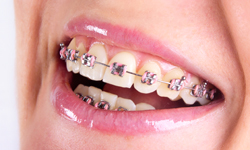
Traditional metal braces are the most common type of braces and are more comfortable today than ever before. Made of high-grade stainless steel, metal braces straighten your teeth using metal brackets and archwires. With metal braces, you have the option of adding colored elastics (rubber bands) for a more unique and colorful smile.


gold braces

Gold Braces

Gold braces are similar to traditional metal braces in many ways. They are made of stainless steel, but are uniquely coated in gold. The gold coating may be considered a more cosmetic option than traditional metal braces. And, the cost of gold braces is surprisingly comparable to most clear braces.


clear braces

Clear Braces

Clear braces are made of clear materials and are therefore less visible on your teeth than metal braces. For this reason, ceramic braces are used mainly on older teenagers and adult patients who have cosmetic concerns. While they are visually less prominent, they do require more attention to oral hygiene as ceramic braces are larger and are more brittle than their metal counterparts. For these reasons, ceramic braces tend to be used more on upper front teeth than on lower teeth.


invisalign®

Invisalign®

Dr. Heiner is an Invisalign® Provider

Consider Invisalign to get the beautiful straight teeth you've always wanted — without braces. A complimentary consultation with Dr Heiner can determine if Invisalign is right for you.

What is it?

Invisalign uses a series of invisible, removable, and comfortable aligners that no one can tell you're wearing. So, you can smile more during treatment as well as after. Invisalign is made with 3-D computer imaging technology and has been proven effective. More than 70% of orthodontists in the US and Canada are certified to treat with Invisalign.

Why would I want it?

Not only are the aligners invisible, they are removable, so you can eat and drink what you want while in treatment. Plus, brushing and flossing are no problem. They are also comfortable, with no metal to cause mouth abrasions during treatment. And no metal and wires usually means you spend less time in your doctor's office getting adjustments. Invisalign also allows you to view your own virtual treatment plan when you start so you can see how your straight teeth will look when your treatment is complete.

How does it work?

You wear each set of aligners for about 2 weeks, removing them only to eat, drink, brush, and floss. As you replace each aligner with the next in the series, your teeth will move little by little, week by week until they have straightened to the final position Dr. Heiner has prescribed. You'll visit our office about once every 6 to 8weeks to ensure that your treatment is progressing as planned. Total treatment time averages 9-15 months and the average number of aligners worn during treatment is between 10 and 30, but both will vary from case to case, depending on individual needs.

Back to top